Shopping for children’s clothes can be both a delightful and a deeply frustrating experience. On one hand, mini-sized outfits are incredibly charming, and dressing your little ones up is always fun. On the other hand, children grow at an astonishing rate, have sensitive skin, and are expert at staining or tearing their garments within minutes of wearing them.
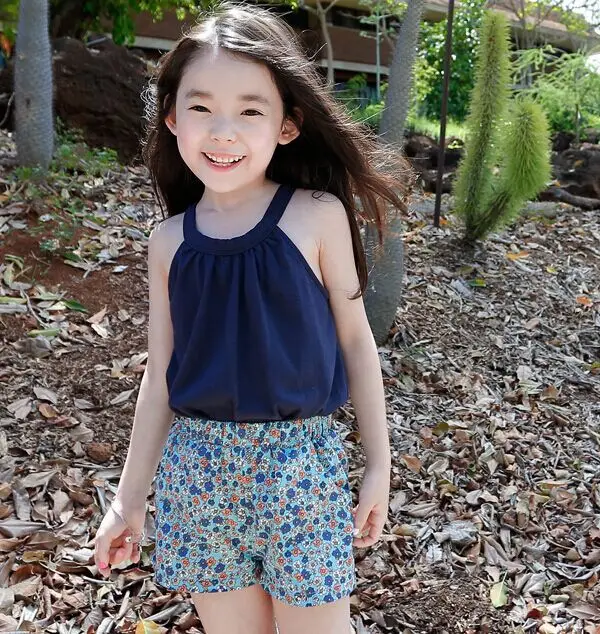
For many parents, buying kids’ clothes feels like a continuous cycle of spending money on items that are outgrown or ruined in a matter of months. However, with a strategic approach to wardrobe planning, fabric selection, and budgeting, you can build a practical, stylish, and durable wardrobe for your children without breaking the bank.
Prioritize Comfort and Fabric Quality
When it comes to children’s apparel, functionality and comfort should always take precedence over trends. Children are constantly moving, playing, and exploring, which means their clothing needs to move with them and withstand significant wear and tear.
Choose Breathable, Natural Materials
Children, especially infants and toddlers, have highly sensitive skin that is prone to irritation and rashes. Always check the clothing tags and opt for natural, breathable fabrics like 100% cotton, linen, or bamboo. These materials are soft against the skin, absorb moisture well, and allow for proper air circulation during active play. Avoid stiff synthetics that trap heat and scratch the skin.
Look for Move-Friendly Designs
Pay close attention to how a garment is constructed. Look for elastic waistbands, tagless necklines, and flat seams that won’t chafe. Avoid outfits with overly complicated buttons, snaps, or zippers, especially if your child is entering the potty-training stage where quick clothing removal is absolutely essential.
The Secret to Smart Sizing
The biggest financial trap in children’s fashion is purchasing items that fit perfectly today but become unwearable next month. Children experience frequent growth spurts, meaning smart sizing strategies are a must for any savvy shopper.
Buy One Size Up
As a general rule of thumb, it is always wiser to purchase clothing that is one size larger than your child’s current age bracket. A slightly loose t-shirt or pair of trousers gives your child room to grow, ensuring the garment lasts for six months to a year rather than just a few weeks. You can easily roll up the sleeves or pant cuffs in the beginning.
Invest in Adjustable Clothing
Many modern children’s clothing brands offer adjustable features designed to extend the lifespan of the garment. Look for trousers with internal button-hole elastic waistbands that can be tightened or loosened. For babies, look for body suits with double rows of snaps at the crotch or footless sleepsuits that accommodate growing legs.
Build a Practical Capsule Wardrobe
It is incredibly easy to overbuy children’s clothing simply because the items are cute. However, an overflowing closet often leads to decision fatigue and unworn items. Creating a minimalist capsule wardrobe is a much more efficient approach.
Focus on Mix-and-Match Basics
Instead of buying highly specific, themed outfits, focus on purchasing solid-colored basics that can be easily interchanged. Plain t-shirts, neutral leggings, denim jackets, and simple shorts can be combined in dozens of ways. This ensures your child always has something to wear, and getting them dressed in the morning becomes an effortless task.
Allocate Budget for Daily Wear vs. Special Occasions
Invest the majority of your budget into high-quality daily wear—the clothes your child wears to daycare, the playground, or school. These items need to survive the washing machine on a weekly basis. Conversely, keep spending to a minimum for formal party dresses or suits, as your child will likely only wear them once or twice before outgrowing them.
Conclusion
Shopping for your children’s wardrobe does not have to be an endless financial drain. By shifting your focus toward durable, natural fabrics, buying slightly larger sizes, and sticking to a versatile capsule collection of basics, you can master the art of kids’ fashion. Ultimately, the best children’s clothes are the ones that allow them to run, play, and explore comfortably while giving parents peace of mind and excellent value for their money.
