The iPhone is arguably the most successful consumer electronic device in history. On the back of every device, a famous inscription reads: “Designed by Apple in California, Assembled in China.” While Apple is a quintessentially American company based in Silicon Valley, the physical creation of its marquee product has been deeply rooted in China for nearly two decades.
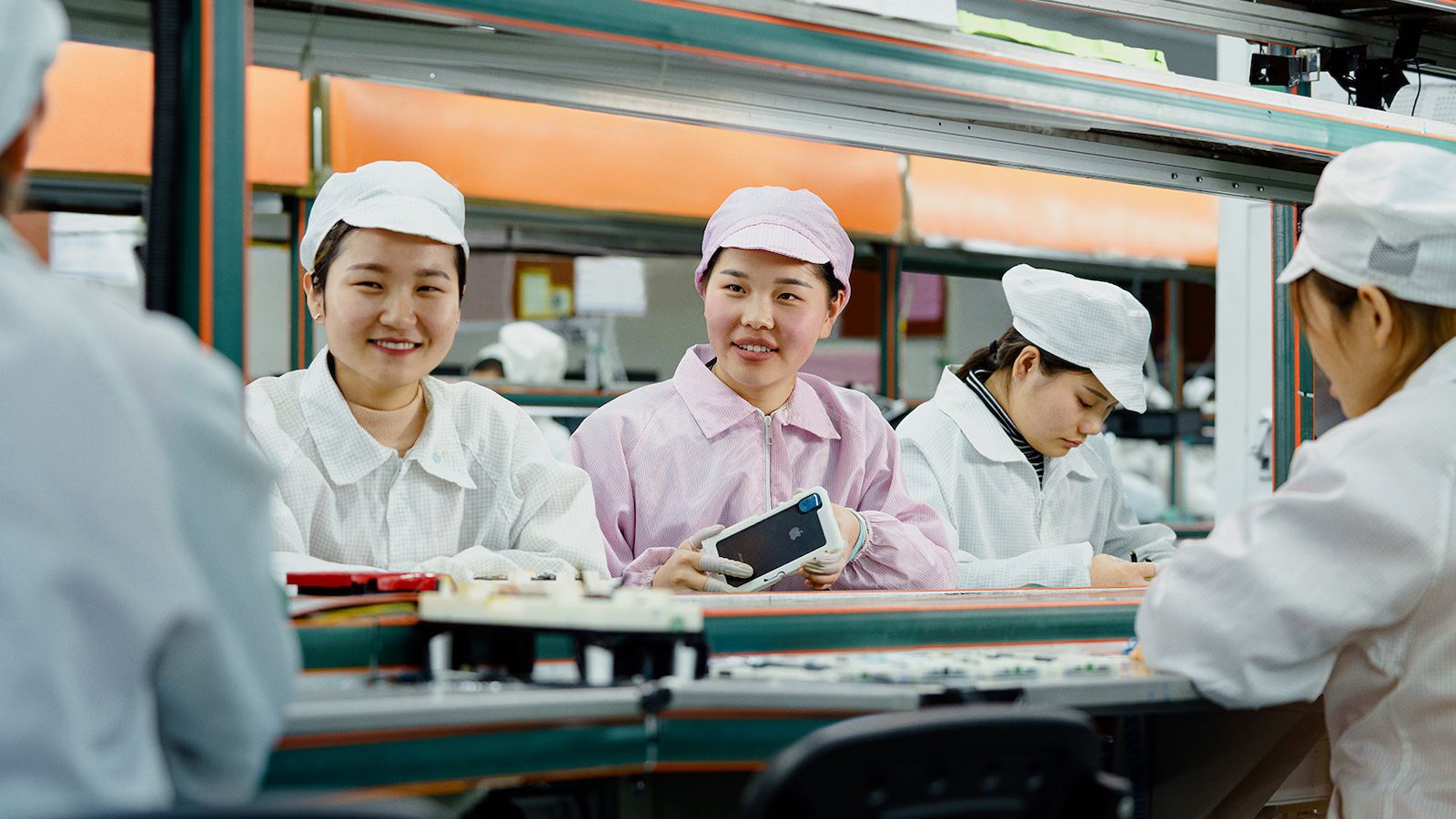
In an era of shifting global trade dynamics and emerging manufacturing hubs, many wonder why Apple continues to produce the vast majority of its iPhones in China. The answer goes far beyond simple cost savings. It is a story of unmatched scale, highly specialized engineering talent, and a manufacturing ecosystem that cannot be easily replicated anywhere else in the world.
Beyond Cheap Labor: The Skilled Workforce at Scale
A common misconception is that Apple chose China purely for low wages. In reality, labor costs in China have risen significantly over the past decade. If Apple were only looking for the cheapest assembly lines, it would have moved entirely to other developing nations years ago.
What China offers is not just labor, but skilled labor at a historic scale. The production of a modern iPhone requires hundreds of thousands of technicians who understand complex electronics assembly, precision tooling, and strict quality control.
When Apple needs to ramp up production for a new iPhone launch, Chinese mega-factories—such as Foxconn’s famous facility in Zhengzhou—can employ over 200,000 workers on a single site. The sheer volume of vocational and technical expertise available in China allows Apple to scale production from zero to millions of units in a matter of weeks, a feat that would take years to organize in the United States or Europe.
The Ultimate Manufacturing Ecosystem
The true secret weapon of Chinese manufacturing is its highly integrated supply chain infrastructure, often referred to as industrial clustering.
Proximity of Components
An iPhone is made of hundreds of individual parts, including specialized glass, tiny screws, camera modules, and complex circuit boards. In China, the vast majority of the suppliers making these components are located within a short drive of the main assembly plants. This proximity eliminates the need for expensive and time-consuming international shipping during the production phase. If a design tweak is made at the last minute, nearby suppliers can adapt and deliver new parts to the assembly line within days.
Unmatched Industrial Infrastructure
China has spent decades building world-class logistical networks specifically designed for global trade. From high-speed freight rails and advanced highway systems to massive, automated deep-water ports like Shanghai and Shenzhen, the physical movement of goods is seamless. This highly optimized infrastructure ensures that once iPhones leave the assembly line, they can be securely packaged and shipped to global markets with maximum speed and minimal friction.
Unparalleled Flexibility and Speed
The speed at which Chinese manufacturing can adapt to challenges is legendary in the tech industry. Apple requires a level of operational flexibility that few global regions can match.
Former Apple executives have frequently shared stories of design changes being made just weeks before an iPhone was scheduled to hit store shelves. In China, factories were able to retrain thousands of workers, retool machinery, and completely alter production lines overnight to meet Apple’s demanding deadlines. This level of agility requires not just willing workers, but an entire ecosystem of flexible management, robust local engineering, and immediate access to raw materials.
Conclusion
While Apple is actively diversifying its supply chain by expanding production into countries like India and Vietnam to mitigate geopolitical risks, China remains the undisputed heart of the iPhone’s manufacturing network. Apple does not produce the iPhone in China simply because it is affordable; it does so because China has built an industrial superpower ecosystem. The rare combination of millions of skilled workers, tightly clustered component suppliers, and phenomenal logistics infrastructure makes China an indispensable partner in bringing the world’s favorite smartphone to life.
